
Is Melbourne's Tap Water Actually Safe to Drink?

Do we really know?
Yes. By law, Melbourne's tap water meets the Australian Drinking Water Guidelines, and Melbourne Water reported no confirmed contamination incidents across the entire 2024–25 financial year. What that doesn't tell you is what happened to the water on its way from the treatment plant to your kitchen tap, because nobody tests that part. This article covers both halves of the answer.
Why We Started Asking This Question in Bundoora
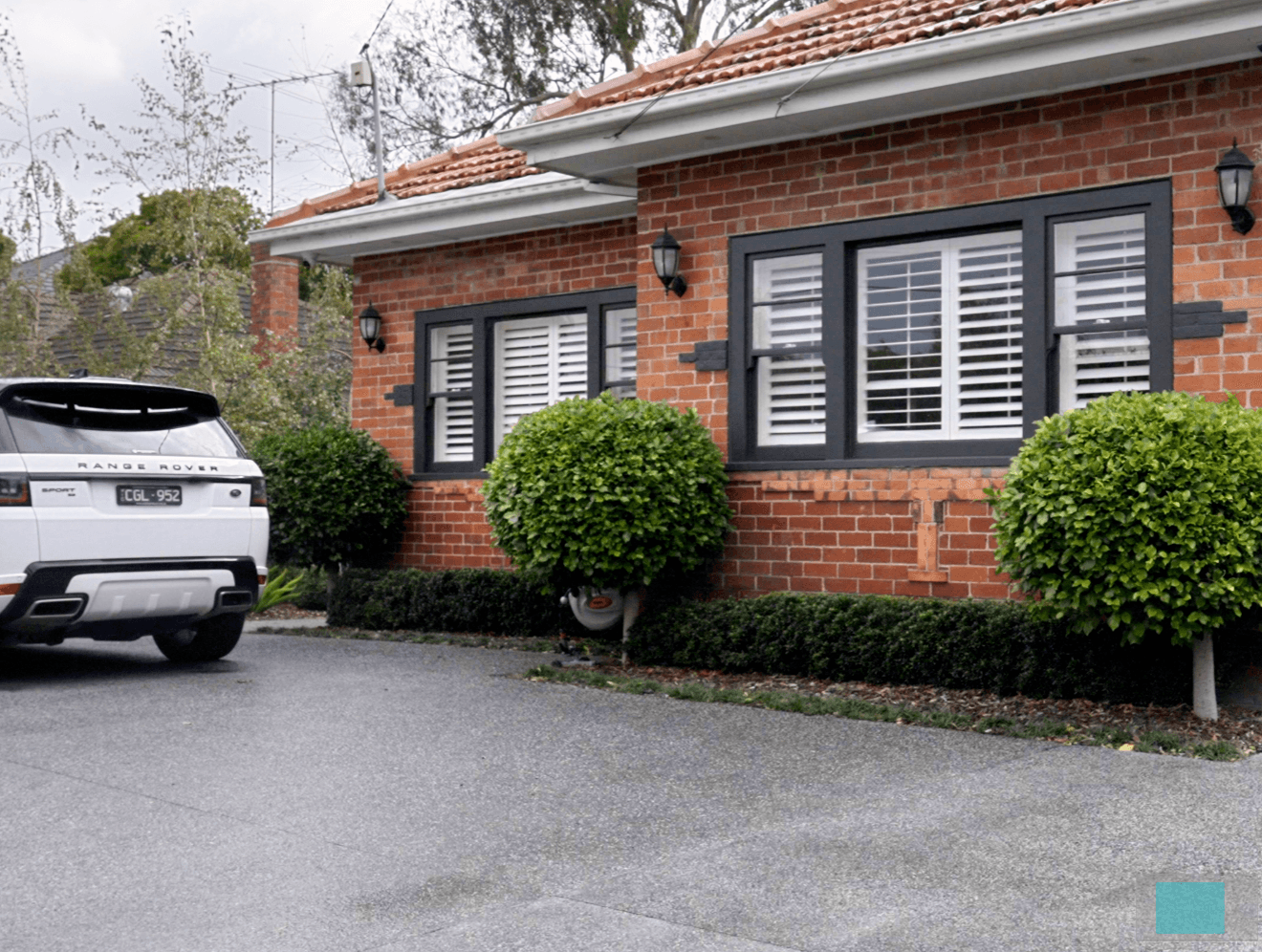
OneWater Australia is based in Bundoora, and a lot of our early customers live within a few suburbs of our own office: Reservoir, Epping, Thomastown, Lalor, and Kingsbury. When Paul and Madeleine, a couple in Bundoora, had a whole-home system installed, they asked the same questions almost everyone asks before they say yes. Is the water actually safe? What's in it that doesn't show up on the bill? Does 'meets the guidelines' mean what people assume it means?'
We get a version of that question from customers all over Melbourne, not just our own postcode. Kaine and his family, in Laverton on the western side of the city, were the first home in Victoria to have a full OneWater system fitted. They've said the difference showed up straight away, the water tasted cleaner, the shower felt softer, and they stopped second-guessing what came out of the tap.
We're not going to tell you Melbourne's water is dangerous. It isn't. What we want to do here is walk through what 'safe' actually covers, what it leaves out, and how you work out whether your own home needs anything more than what's already coming through the pipe.
What Does 'Safe' Actually Mean for Melbourne's Water Supply?
Drinking water in Victoria is regulated under the Safe Drinking Water Act 2003 and measured against the Australian Drinking Water Guidelines (ADWG), published by the National Health and Medical Research Council. The ADWG sets limits for things like E. coli, heavy metals, disinfection by-products, pH and turbidity. Every retail water business in Victoria reports against these numbers every year.
Melbourne's system has two layers to it. Melbourne Water manages the catchments, reservoirs and bulk treatment, then hands treated water over to three retail businesses who actually deliver it to homes. Yarra Valley Water covers the north and east, which includes Bundoora, Reservoir, Epping, Thomastown, Lalor and Kingsbury. South East Water covers the south-east. Greater Western Water covers the west and the outer growth corridors. Each of them publishes its own annual drinking water quality report to the Victorian Department of Health.
We've gone into more detail on how this reporting works, and where the guidelines stop being enforceable, in our article on what the ADWG guidelines actually require. Passing the guidelines means a water business is doing its job. It doesn't mean every tap in every home downstream is identical.
.png&w=3840&q=75)
Where Does Melbourne's Tap Water Actually Come From?
Melbourne's water mostly comes from protected forest catchments in the Yarra Ranges and the Thomson Reservoir in Gippsland. No farming, no industry, no public access. Because the source water starts out this clean, Melbourne Water can supply a lot of it to the retailers with relatively light treatment, leaning on chlorination and UV rather than heavy filtration to keep bacteria out of the network.
That's a genuinely good starting point, and it's a big part of why Melbourne's tap water is often rated among the best-tasting in the country. But 'clean at the source' and 'clean at your tap' are two different checkpoints. Only one of them gets tested.
Chlorine or Chloramine? Depends Which Part of Melbourne You're In
Here's something most Melbourne homeowners have never been told, and it changes which filter actually does the job for your address. According to Yarra Valley Water, chlorination is the main disinfection method across most of Melbourne. In some outlying areas, chloramination (chlorine mixed with ammonia) and UV are used instead, mainly in parts of the west and the outer growth corridors served by Greater Western Water.
Why it matters: a standard carbon filter deals with free chlorine fine, but chloramine is more chemically stable and needs a stronger carbon block to strip out. If you're in Bundoora, Reservoir, Epping, Thomastown, Lalor or Kingsbury, you're in Yarra Valley Water territory, so you're most likely on chlorinated supply. Further west, check the retailer's name on your water bill before you pick a filter.
What's Actually in Melbourne Tap Water?
This table covers what our customers ask about most, and it lines up with what's in our water contaminants guide.
| Substance | Why it's there | Why people filter for it |
|---|---|---|
| Chlorine | Added to disinfect the water supply | Affects taste and smell, can leave skin and hair feeling dry |
| Chloramine | Used instead of chlorine in some outlying suburbs | More stable in pipes, harder to remove |
| Fluoride | Added under Victorian health law for dental health | Some households prefer to reduce intake, for personal or dietary reasons |
| Heavy metals (lead, copper) | Usually from older household plumbing, not the treated supply itself | More relevant in homes with pipes from before the 1980s |
| Sediment and rust | Ageing pipes, local infrastructure work | Affects clarity, taste, and how long taps and appliances last |
| Limescale (hardness) | Natural mineral content | Builds up on kettles, shower screens, hot water systems |
| PFAS | Detected in some Australian supplies near industrial sites, airports and firefighting training areas | Regulated, but many households prefer to reduce long-term exposure |
Not every home deals with every item on that list. That's the whole point of a proper water assessment: it looks at your address, not a generic checklist.
What About PFAS and Other Emerging Contaminants?
PFAS, short for per- and polyfluoroalkyl substances, get called 'forever chemicals' because they don't break down in the environment. They've turned up in some Australian water supplies, particularly near industrial sites, airports and firefighting training areas. Levels are regulated under the ADWG, but the science, and the guidelines themselves, keep shifting as more research comes in.
We track this in our article on what's changing in Australian drinking water in 2026, covering PFAS, microplastics and disinfection by-products. If PFAS is something you're concerned about, a water assessment can tell you whether it's actually relevant to your supply area, rather than you guessing off a general list.
Does 'Meets the Guidelines' Mean the Water at Your Tap Matches What Was Tested?
Not necessarily, and this is the part most water reports skip over. Testing happens at the treatment plant and at selected monitoring points through the network. Between those points and your kitchen tap, water passes through kilometres of ageing infrastructure, then your street's pipes, then your own home's internal plumbing. None of that gets tested by the water authority.
We wrote about this at length in The Reporting Gap: why routine testing stops at the property boundary, and what that means if your home is older. Decades-old pipes can add sediment, metal traces or biofilm to water that tested clean at the last monitoring point. Homes further from the treatment plant can also see chlorine levels drop off before the water even reaches them. A compliance report tells you the water was safe on the day it left the plant. It can't tell you what happened after that.
How Do I Know If My Home Needs a Water Filtration System?
Most people who call us aren't starting from fear. They've noticed something specific. Speak to a specialist today
- A chlorine or 'pool' taste that's stronger on some days than others
- Dry skin or hair after showering that clears up when you're away from home for a while
- Limescale on kettles, shower screens or tap fittings
- A home built before the 1980s, still on the original copper or galvanised pipes
- Providing recreational access to many dam sites
A lot of this doesn't show up until someone actually looks. If you've searched for a home water filtration system near me, the first move isn't buying a system; it's finding out what your specific supply needs before you commit to one.
| Whole-Home System | Under-Sink System | |
|---|---|---|
| Where it's installed | At the point water enters the home | At a single tap, usually the kitchen |
| What it treats | Every tap — kitchen, bathroom, laundry and shower | Drinking water only |
| Good for | Skin, hair, appliance protection and taste across the whole house | Households mainly concerned with drinking and cooking water |
| Installation | Fitted by a licensed plumber at the main water entry point | Fitted under the kitchen sink |
Our whole-home filtration system has more on how OneWater Australia designs systems around your actual plumbing rather than selling a generic package. If you want the broader benefits, protecting appliances and fittings, softer water in the shower, less limescale, a drinking water filtration system at the point of entry is usually the more complete answer. It's not right for every property though, and that's what the assessment is for.
What Actually Happens During a OneWater Assessment?
Same process no matter which Melbourne suburb you're in.
We start with a conversation: your concerns, your household, what matters most, along with the practical details of your home and water source. From there, we recommend a system based on that information, not a standard package. If filtration genuinely isn't the answer for your place, we'll say so. Installation is usually done in a day, tested, and commissioned before we leave. After that, we stay involved, with clear guidance on filter replacement and a team you can actually go back to.
Key Takeaways
- Melbourne's tap water meets the Australian Drinking Water Guidelines, and the source catchments in the Yarra Ranges and Thomson Reservoir are among the most protected in the country.
- 'Meets the guidelines' describes water tested at the treatment plant and network monitoring points, not what's sitting in your own home's plumbing.
- Most of Melbourne runs on chlorinated supply. Some western and outer growth suburbs use chloramine instead, which needs a different filter to remove properly.
- The usual reasons Melbourne households filter their water: taste and odour, dry skin and hair, limescale, older plumbing.
- A water assessment looks at your specific address and water source rather than giving you a generic answer.
Frequently Asked Questions
- Is Australian tap water safe?
It's regulated, but safe doesn't always mean ideal. Quality can vary by region, the age of local infrastructure, plumbing materials, and treatment method. Two homes on the same street can have different experiences of the same compliant supply. - What's commonly found in Melbourne tap water?
Depending on your suburb, chlorine or chloramine is used for disinfection, along with natural sediment and minerals, small amounts of heavy metals from older pipes, and trace fluoride added for dental health under Victorian law. - How often do whole-home filters need replacing?
It depends on the system and your household's water usage. OneWater Australia explains the recommended schedule during your assessment and stays available afterward, so you're not left guessing. - Do I need to be home during installation?
Yes — someone needs to be there while the system goes in. We coordinate timing with you beforehand to keep it convenient. - What happens if I move house?
In many cases, a whole-home system can be relocated to your new address. It's worth raising during your original assessment so you know your options upfront.
About the Author
Dionne Chelini works with OneWater Australia, a whole-home water filtration company based in Bundoora, Victoria, serving residential customers across Melbourne and greater Victoria. Reach the team at hello@onewateraustralia.com.au or 1800 930 584, or follow along on Instagram and Facebook.